
Join us on Sunday, 23 November for the opening of an exhibition of historic photographs from the Cuban Revolution, marking the centenary of Fidel Castro.
The Cuban Ambassador will be guest of honour and will provide an update on the impact of Hurricane Melissa and Cuba’s concerns about the U.S. military build-up in the Caribbean. More information below.
The event will feature the New Zealand premiere of a new documentary about Fidel, and remarks from academic Robert Bartholomew about his research into the Havana Syndrome.
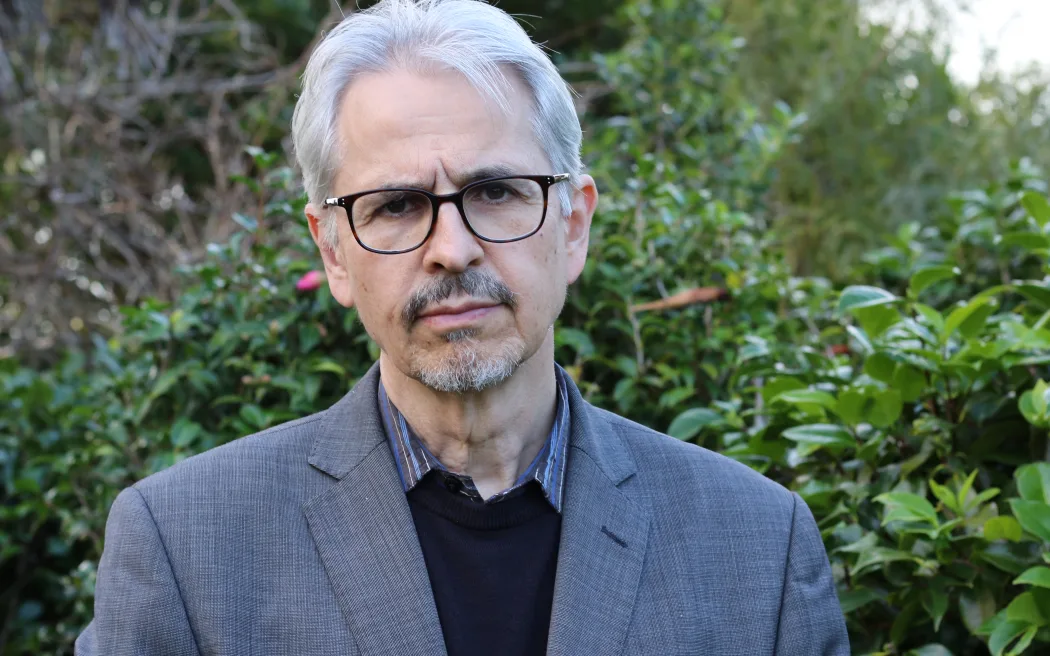
Robert Bartholomew, co-author of ‘Havana Syndrome: Mass Psychogenic illness and the Real Story Behind the Embassy Mystery and Hysteria’. Photo: Auckland University
Share Event details
· Cuba Solidarity Group of Aotearoa/New Zealand
· 100th Anniversary of Fidel Castro – An Exhibition of Historic Photos
· 2pm., Sunday, November 23, Onehunga Community Centre
The exhibition will be on display for two weeks, with photographs available for purchase.
We are also fundraising for Pacemakers for Cuba, organised by Global Health Partners. Donations are being accepted through to 30 November.
You can donate now:
Pay to: New Zealand Cuba Society
Bank: 02–0159–0200303–00
Hurricane Melissa
Hurricane Melissa struck eastern Cuba on 29 October as a Category 3 storm, severely affecting more than 2.2 million people and damaging over 60,000 homes. A total of 1,552 schools and 461 health facilities were impacted, along with major losses to crops and livestock — especially in Granma and Santiago de Cuba.
More than 50 communities remain isolated, and around 120,000 people are still in shelters due to widespread flooding, collapsed bridges, and limited electricity and communications. Thanks to the timely evacuation of over 735,000 people, many lives were saved.
Hurricane Melissa ranks among the most damaging storms to hit Cuba in the past twenty years, due to the extensive destruction of housing, infrastructure, and agriculture — compounded by the island’s ongoing economic challenges.
New Zealand Response to Hurricane Melissa
The Auckland Cuba Friendship Society has written to political leaders and charitable organisations, urging them to include Cuba in their humanitarian response. You are invited to write as well to reinforce these messages.
U.S. Military Build-Up in the Caribbean
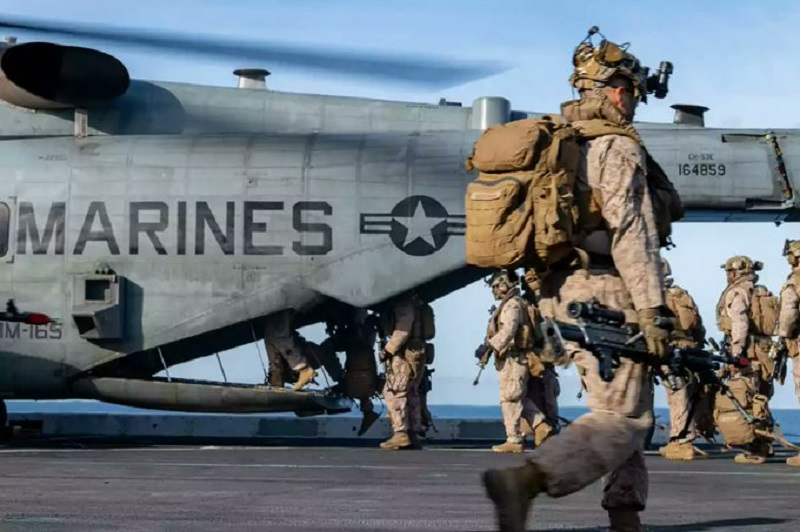
There is currently a significant military build-up in the Caribbean, driven primarily by a large U.S. deployment near Venezuela’s coast. This has raised serious concerns in Cuba about the risk of a potential invasion or wider regional conflict.
The current military activity is largely centred on a U.S. operation that the Trump administration has described as a counter-narcotics mission but which many observers and regional governments — including Cuba — view as a show of force aimed at regime change in Venezuela.
U.S. Forces: The U.S. has assembled its largest military deployment in the Americas in decades, including:
- An aircraft carrier strike group (USS Gerald R. Ford)
- Over a dozen naval vessels, including eight warships and a nuclear submarine
- Thousands of troops and special operations personnel (reports suggest over 10,000 troops deployed in the region)
- Extensive air assets, including F-35 fighter jets, drones, and reconnaissance aircraft, operating from bases in Puerto Rico and the U.S. Virgin Islands
- Conducting lethal strikes on alleged drug-trafficking vessels off the coast of Venezuela, resulting in over 60 deaths since September 2025
 GPJA
GPJA 